
Common exhibition booth mistakes include overcrowding with excessive displays and clutter, which restrict movement and deter exploration. Branding inconsistencies weaken recognition and confuse visitors. Poor lighting or mismatched colors fail to highlight key features and diminish visual appeal. Confusing layouts obstruct sightlines and impede flow, reducing engagement. Overly complex or irrelevant interactive technology can overwhelm attendees. Addressing these issues enhances visitor experience and strengthens brand impact—further insights reveal how to optimize every design element effectively.
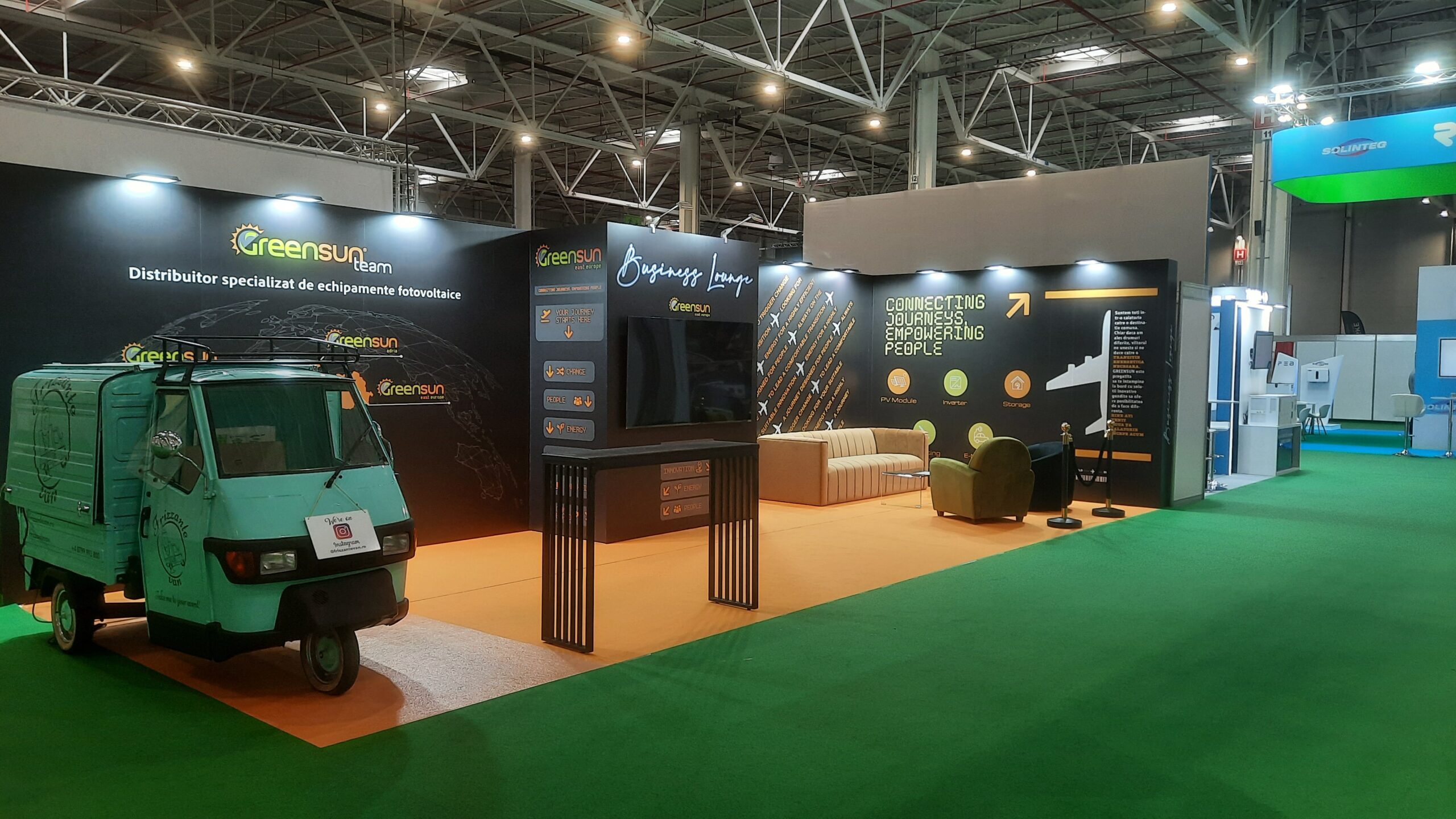
Avoid Overcrowding Your Booth
Exhibitors frequently make the mistake of overcrowding their booths, which diminishes visitor engagement and creates a cluttered, overwhelming environment.
Excessive displays, promotional materials https://upstageexpo.com/home, and furniture restrict movement, discouraging visitors from exploring the space freely.
A well-designed booth prioritizes open areas, allowing attendees to navigate comfortably and focus on key messages.
Limiting visual and physical elements to essentials enhances clarity and invites interaction, fostering a sense of freedom and ease.
Strategic use of negative space directs attention and prevents sensory overload.
By embracing minimalism and purposeful layout, exhibitors create inviting environments that encourage meaningful connections without distraction.
Avoiding overcrowding ultimately maximizes the booth’s impact, ensuring visitors leave with clear impressions rather than confusion.
Keep Your Exhibition Booth Branding Clear and Consistent
Maintaining a clear and consistent brand presence reinforces the impact of a well-organized booth layout. Consistency in logos, fonts, and messaging guarantees visitors instantly recognize the exhibitor’s identity, fostering trust and professionalism. Disjointed visuals or conflicting brand elements dilute the message and confuse attendees, undermining engagement.
Every design component—graphics, signage, promotional materials—must align with the brand’s core values and aesthetic. Clear branding also facilitates effortless navigation, allowing visitors to quickly associate the booth with the company’s offerings. Consistent brand application empowers exhibitors to stand confidently, communicating their unique value without distraction.
Avoiding mismatched or cluttered branding safeguards clarity, enabling freedom to focus on meaningful interactions rather than correcting identity confusion. Ultimately, deliberate brand consistency transforms a booth into a memorable, cohesive experience.
Use Lighting and Colors to Make Your Booth Stand Out
Through strategic use of lighting and color, a booth can capture attention and create a distinct atmosphere that draws visitors in. Proper lighting highlights key features, guides visitor flow, and enhances product visibility. Color choices evoke emotions and reinforce brand identity, making the booth memorable. However, inappropriate or excessive use can repel potential customers.
Key considerations include:
- Employ layered lighting: ambient, task, and accent to add depth and focus.
- Use brand-aligned colors to strengthen recognition and convey messages.
- Balance brightness to avoid glare or dullness, ensuring comfort.
- Integrate dynamic lighting or color shifts to create visual interest without distraction.
Mastering lighting and color elevates booth presence, fostering engagement without overwhelming visitors.

Avoid Confusing Layouts to Boost Visitor Engagement
When finding one’s way through an exhibition, visitors respond best to clear, intuitive layouts that facilitate smooth movement and easy access to key areas. Confusing booth layouts hinder engagement by causing frustration and deterring exploration.
A well-organized design prioritizes open pathways, logical flow, and visible focal points, enabling visitors to navigate effortlessly. Avoid overcrowding spaces with excessive displays or furniture that obstructs sightlines.
Strategic placement of signage and product zones guides visitors naturally without overwhelming them. Ensuring the layout supports unimpeded circulation empowers attendees to engage freely and spend more time interacting.
Choose Interactive Tech That Engages Visitors
Incorporating interactive technology transforms exhibition booths into dynamic experiences that capture attention and encourage deeper visitor involvement. Selecting the right tech tools guarantees visitors engage actively rather than passively observing. Interactive elements should complement the brand message while offering freedom to explore, learn, and connect. Poorly chosen or overly complex technology can deter visitors and reduce booth effectiveness. Instead, focus on streamlined, user-friendly solutions that invite participation and memorable interactions.
Key interactive technologies worthy of consideration include:
- Touchscreen kiosks for intuitive product demos
- Augmented reality apps that visualize offerings in real time
- Virtual reality experiences transporting visitors into immersive brand worlds
- Interactive games or quizzes that educate and entertain simultaneously
Choosing engagement-driven tech elevates the booth’s impact without restricting visitor autonomy or flow.
Conclusion
Effective exhibition booth design demands careful attention to clarity, engagement, and visual appeal. Avoiding overcrowding guarantees visitors can navigate comfortably, while consistent branding reinforces recognition. Strategic use of lighting and colors attracts attention, and intuitive layouts enhance visitor flow. Incorporating interactive technology further boosts engagement, creating memorable experiences. By steering clear of common design mistakes, exhibitors can maximize impact, foster meaningful connections, and achieve their event objectives with greater success.