
The integration of 3D printing technology in the automotive industry has revolutionized the way vehicles are designed, manufactured, and optimized for performance.
This article explores the numerous advantages proton dealer, applications, and future trends of 3D printing in cars, shedding light on its transformative impact on vehicle engineering and the challenges that must be navigated for successful implementation in the rapidly evolving automotive landscape.
Advantages of 3D Printing in Cars
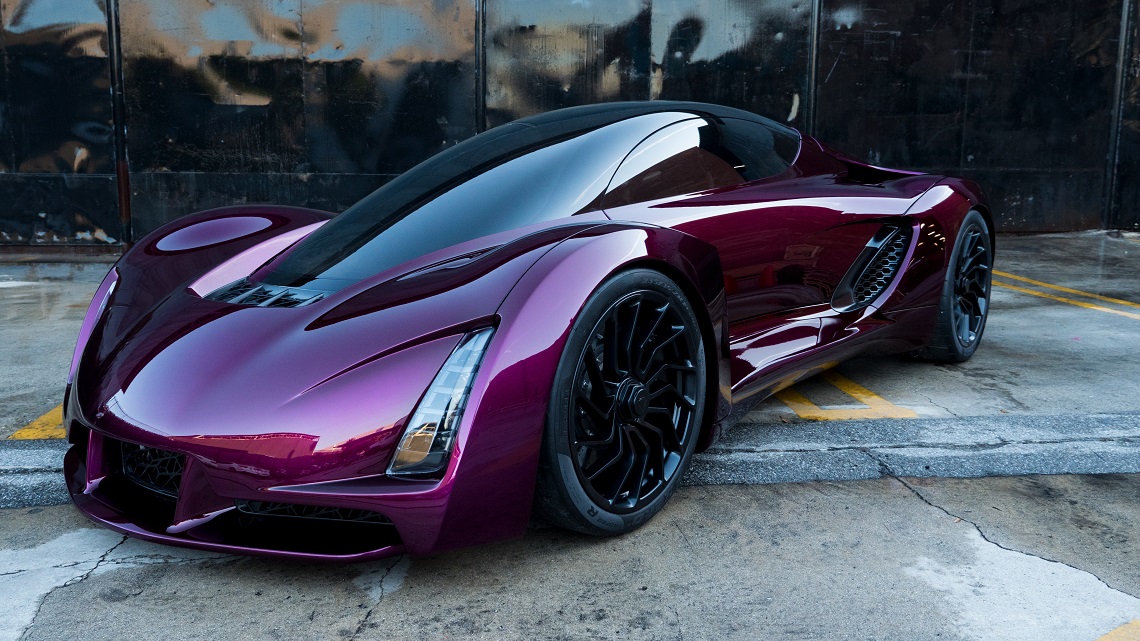
One significant advantage of utilizing 3D printing in automotive manufacturing is the ability to create complex and customized components with precision and efficiency. Traditional manufacturing methods often struggle to produce intricate designs or personalized parts cost-effectively, leading to limitations in design flexibility.
However, with 3D printing technology, automotive engineers can easily fabricate intricate shapes and structures that would be challenging or impossible to achieve using conventional techniques. This capability not only enhances the aesthetic appeal of vehicles but also improves their performance and functionality.
Applications in Automotive Design
Utilizing 3D printing technology in automotive design allows engineers to explore innovative possibilities for creating intricate and customized components, building upon the advantages of precision and efficiency highlighted in the previous discussion.
In automotive design, 3D printing finds applications in prototyping, rapid tooling, and even producing final parts. Designers can now efficiently test various designs and functionalities before committing to mass production, saving both time and resources.
Additionally, 3D printing enables the creation of complex geometries that traditional manufacturing methods struggle to replicate, leading to lighter yet structurally robust components. The ability to customize parts based on individual requirements further enhances the design flexibility and performance of vehicles, ultimately revolutionizing the automotive industry.
Impact on Vehicle Performance
The integration of 3D printing technology in automotive design’s impact on vehicle performance is evident in the enhanced structural integrity and lightweight construction of components. By utilizing 3D printing, car manufacturers can create intricate designs that optimize strength while reducing overall weight. This leads to improved fuel efficiency, handling, and acceleration, ultimately enhancing the vehicle’s performance.
Additionally, 3D printing allows for the customization of parts based on specific performance needs, resulting in increased precision and functionality. The ability to produce complex geometries with high strength-to-weight ratios contributes to better aerodynamics and overall driving dynamics. As a result, the adoption of 3D printing in automotive applications continues to push the boundaries of vehicle performance to new heights.
Future Trends and Innovations
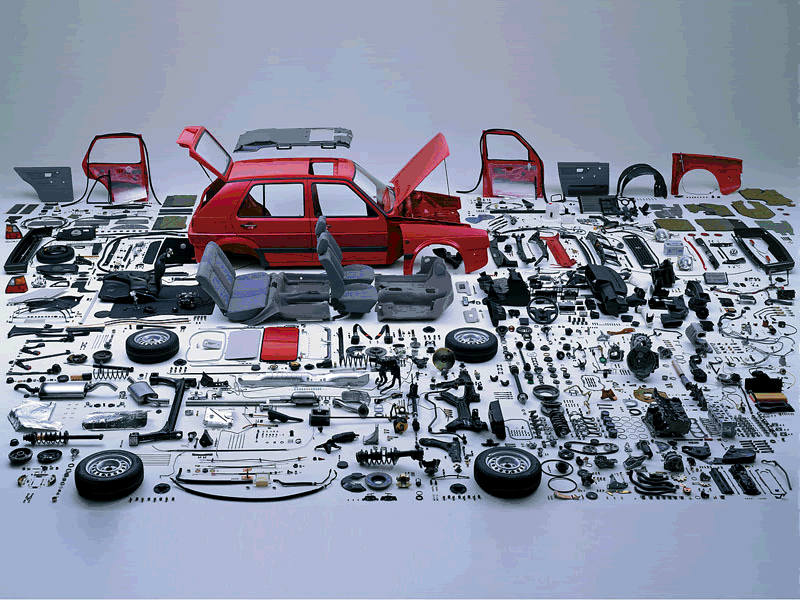
Moving forward, advancements in 3D printing technology are poised to revolutionize the automotive industry by introducing innovative manufacturing processes and materials.
One of the key future trends is the customization of car parts through 3D printing, allowing for personalized designs and tailored solutions for individual customers.
Additionally, there is a growing focus on utilizing sustainable materials in 3D printing for cars, promoting environmental responsibility and reducing carbon footprints in the manufacturing process.
Another emerging innovation is the integration of 3D printing directly into the production line, enabling on-demand manufacturing of spare parts and components, thereby streamlining supply chains and reducing inventory costs.
These trends signal a shift towards a more efficient, flexible, and environmentally conscious future for the automotive sector.
Challenges and Considerations for Implementation
Challenges in integrating 3D printing technology into automotive manufacturing processes require careful planning and strategic execution. One significant hurdle is the need for high precision and quality control standards to ensure components meet safety and performance requirements.
Additionally, the scalability of 3D printing for mass production remains a challenge, as current technology may not yet be able to match the speed and volume of traditional manufacturing methods. Material selection is crucial too, as automotive parts must withstand extreme conditions and rigorous testing.
Intellectual property concerns, such as protecting designs and preventing unauthorized replication, also pose considerations. Overcoming these challenges demands collaboration between automotive manufacturers, 3D printing experts, and regulatory bodies to drive innovation and ensure successful implementation.
Conclusion
In conclusion, 3D printing technology offers numerous advantages in the automotive industry, including:
- Enhanced design flexibility
- Improved efficiency in production processes
- Potential for innovative advancements in vehicle performance
As the technology continues to evolve, it is expected to play a significant role in shaping the future of automotive design and manufacturing.
Despite some challenges and considerations, the adoption of 3D printing in cars is poised to revolutionize the industry and drive further advancements in vehicle technology.