
A dog grooming class teaches essential skills such as proper brushing, bathing, drying, and nail trimming to guarantee animal comfort and safety. It also covers handling various breeds with unique coats and temperaments, using professional tools effectively, and maintaining them pet grooming academy. Through hands-on practice, students build confidence and precision. Additionally, classes emphasize managing appointments and client communication to handle busy salon workloads smoothly. Exploring these areas further reveals how all-inclusive training shapes a successful grooming career.

Essential Dog Grooming Skills You’ll Learn
In mastering essential dog grooming skills, students acquire techniques critical for professional salon work. These include proper brushing methods to maintain coat health, safe bathing procedures, and effective drying techniques that prevent discomfort.
Students learn to trim nails carefully, avoiding injury while ensuring cleanliness pet groomer course. Ear cleaning and checking for skin issues become routine practices, emphasizing animal welfare.
Handling grooming tools such as scissors, clippers, and combs is taught with precision, enabling efficient and safe grooming. The curriculum also covers recognizing signs of stress or discomfort in dogs, ensuring a calm environment.
These foundational skills empower students to work confidently and independently, offering quality grooming services while respecting each dog’s unique needs. This preparation cultivates both competence and freedom in a professional salon setting.
Handling Different Dog Breeds in Grooming
Mastering fundamental grooming techniques lays the groundwork for addressing the distinct needs of various dog breeds.
Each breed presents unique coat types, skin sensitivities, and behavioral traits that require tailored approaches. Understanding these differences enables groomers to provide effective, respectful care while ensuring comfort and safety.
For example, double-coated breeds need gentle de-shedding methods, whereas breeds with curly or wiry coats demand specific trimming and detangling skills.
Recognizing breed-specific temperaments also guides handling strategies, promoting a calm grooming experience. This knowledge fosters confidence and adaptability, essential for salon work where a diverse clientele is common.
Ultimately, being adept at handling different breeds empowers groomers to deliver personalized services that honor each dog’s individuality and support their well-being.
Mastering Professional Grooming Tools and Techniques
With a solid understanding of breed-specific needs established, attention turns to the professional grooming tools and techniques essential for effective salon work.
Mastery of clippers, scissors, and brushes is critical; each tool serves a distinct purpose, from shaping coats to detangling fur. Proper use guarantees efficiency, safety, and quality results, allowing groomers to tailor styles to individual dogs.
Techniques like precise clipping, scissoring, and finishing touches require steady hands and keen observation. Additionally, maintaining tools through regular cleaning and sharpening prolongs their effectiveness.
Knowledge of ergonomic tool handling also helps prevent fatigue and injury, supporting long-term career freedom. Ultimately, mastering these tools and techniques empowers groomers to deliver consistent, professional outcomes while working confidently within any salon environment.
Hands-On Practice to Build Grooming Confidence
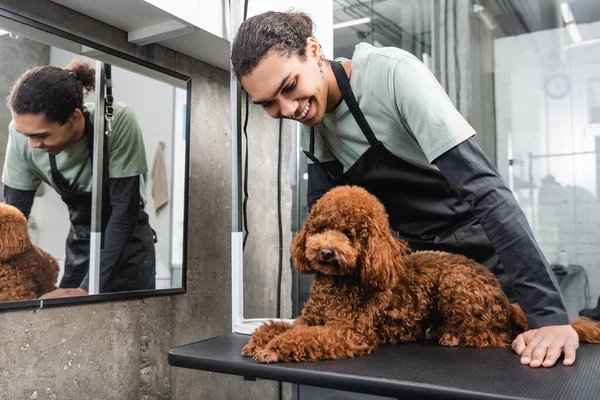
Engaging in hands-on practice allows aspiring groomers to apply theoretical knowledge and refine their skills in real-time. This immersive experience builds confidence by enabling learners to handle different dog breeds, coat types, and temperaments under guided supervision.
Repeated practice in a controlled environment fosters precision in techniques like clipping, trimming, and bathing. It also cultivates calm decision-making, essential for maintaining safety and comfort.
Managing Time and Client Expectations in a Busy Salon
Balancing appointment schedules and client expectations is essential in a busy grooming salon. Effective time management allows groomers to maintain a smooth workflow, reducing stress and ensuring each pet receives attentive care.
Clear communication with clients about realistic service durations and outcomes helps set achievable expectations, minimizing misunderstandings. Training in a grooming class often emphasizes these skills, preparing individuals to handle back-to-back appointments while adapting to unexpected challenges.
Prioritizing tasks and remaining flexible enable groomers to protect their personal freedom and job satisfaction. Ultimately, mastering time management and client relations fosters a professional environment where both groomer and client feel valued, contributing to sustained success in a dynamic salon setting.
Conclusion
A dog grooming class equips individuals with essential skills, including breed-specific handling, mastery of professional tools, and time management in a busy salon environment. Through hands-on practice, students build confidence necessary for real-world grooming challenges. This thorough preparation guarantees graduates are well-equipped to meet client expectations and deliver quality service, making the shift from classroom to salon seamless and effective. Ultimately, such training lays a solid foundation for a successful career in dog grooming.